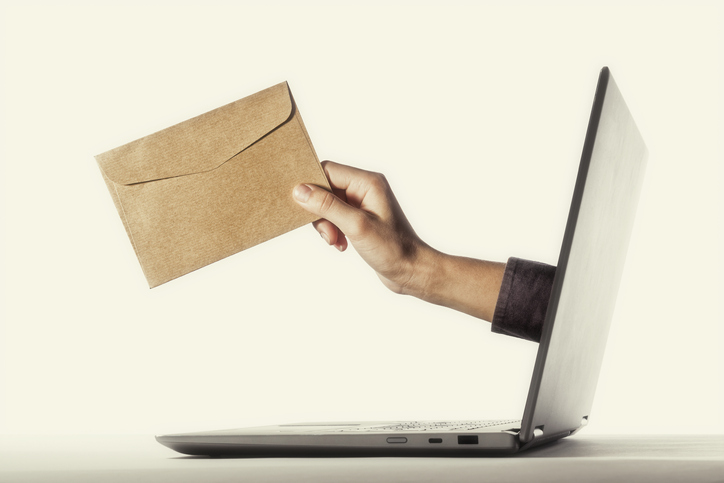
The combination of direct mail and email can be a powerful marketing strategy.
Not only does it help you connect with more potential customers, but evidence suggests that combining the two forms of media can even increase response rates.
Here are five statistics that show just how effective this combination can be:
1. Direct mail is six times more likely to result in a purchase than email alone. (Source: U.S. Small Business Administration)
2. Direct mail response rates are 10-30 times higher than sole digital marketing campaigns. (Source: Amsive)
3. Combining direct mail and email can increase response rates by as much as 50%. (Source: Epsilon)
4. 72% of potential customers enjoy interacting with brands via several mediums before purchasing. (Source: Lead Forensics)
5. Marketing campaigns integrating direct mail and digital media hold 39% more of a customer’s time than digital campaigns alone. (Source: Canada Post)
What are the Advantages of Combining Direct Mail Initiatives with Email?
Utilizing both direct mail and email can help your business create a comprehensive marketing strategy to reach a wider audience and generate more leads.
Combining these two channels also allows cross-promotion, improving visibility on both platforms and raising brand awareness.
Here are some of the advantages of putting both direct mail and email to work for you:
Longer Shelf Life
Direct mail boasts a longer shelf life than email, meaning it can be intercepted and influence potential customers even after receiving their email campaign.
More Memorable
Consumers are more likely to remember the messages they receive through direct mail, increasing their engagement with a brand.
Trustworthiness
Direct mail is considered more trustworthy than email or other digital forms of communication.
By utilizing both mediums, you build confidence in your target audience.
Optimize Your Marketing Budget
Combining direct mail and email can help you reallocate resources and optimize your designated advertising funds, allowing you to make the most of a limited marketing budget.
What are the Most Effective Ways to Link Direct Mail Campaigns with Emails?
There are several ways to link your direct mail and email campaigns. Here are some of the most effective methods:
Personalized URLs
Use personalized URLs (PURLs) in your direct mail campaigns linked to targeted landing pages associated with an email campaign.
QR Codes
Include QR codes on physical mail pieces that link to online content or offers.
Special Offers
Offer discounts, coupons, or other incentives in direct mail campaigns that can be redeemed online.
Social Media
Incorporate social media links into physical mailings so recipients can easily connect with your brand on various platforms.
Call-to-Action
Include a call-to-action or other prompt in your direct mail campaigns encouraging recipients to visit an associated website or sign up for an email list.
Using these strategies, you can create powerful integrated marketing campaigns that maximize physical and digital media.
In doing so, you’ll be able to maximize your reach, increase response rates, and build stronger relationships with your customers.
With the right strategy, combining direct mail and email can be a powerful tool that produces tangible results.
By leveraging the strengths of both media types, you can create effective campaigns that reach more people and promote conversions.
Are you looking to drive your business growth? Integrated marketing campaigns can be powerful and practical tools. Reach out to our team to get started on yours!
Comments
Post a Comment